
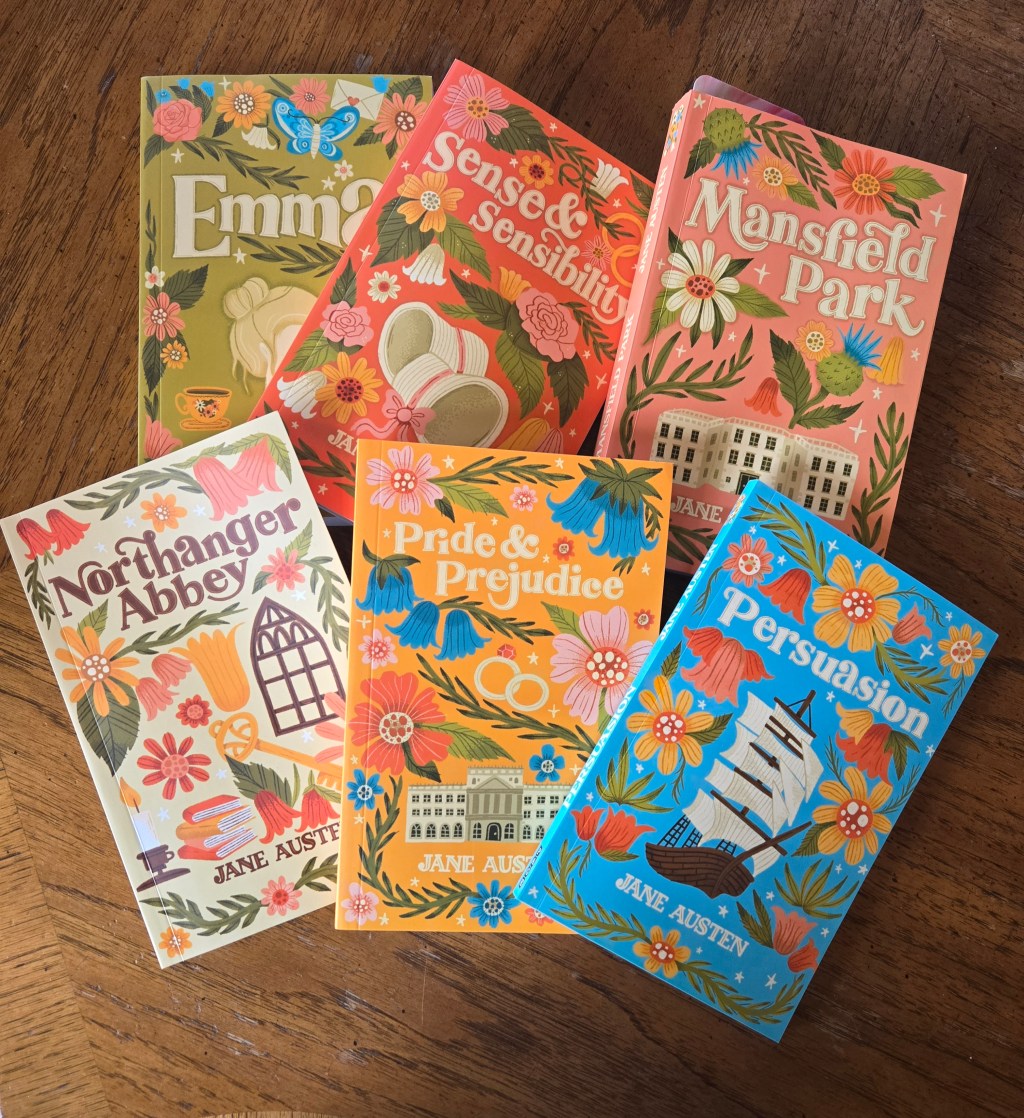
I like Jane Austen’s stories because of the courtly the manners or lack thereof, the old language and big words, the wit and humor. These heroines had standards to live up to. And the characters are so like people we live with, work with and socialize with today. Each one is a study in human nature and can reveal facets of human personalities.
The Books
There follows a quick description of each book by Austen, ranked in order of my enjoyment, ending with the one I liked most.
Emma (1815) Of Emma, Jane Austen said she had invented “a heroine whom no one but myself will much like.” Emma Woodhouse is wealthy, beautiful and charming, but has decided to remain unattached. With only the responsibility of caring for her sickly father, Emma has little to do and entertains herself by playing matchmaker. Her greatest aim is to marry her poor friend so she can rise in social status. This results in hilarious misunderstandings, in spite of the advice of Mr. Knightly. Set in the fictional village of Highbury, this novel is a comedy of errors and manners.
I must learn to be content with being happier than I deserve. -Emma
I found Emma selfish and unlikeable at the beginning. She eventually sees the mistakes she made and takes complete responsibility for them.
Mansfield Park (1814) Due to dire financial trouble, Fanny Price is taken from her home and sent to live with relatives at Mansfield Park. She is never allowed to forget the difference in her station as compared to the rest of them. Of those in the family only Edmund treats her with kindness. When the Crawford siblings come from London to stay in their neighborhood, everyone’s values and morality are put to the test. Fanny is left trying to keep her ‘well-bred’ cousins in line.
Let us have the luxury of silence. -William
I read Mansfield Park with more thoughtfulness than I gave the other books. It is said to be Austen’s most mature novel, examining adultery and scandal through the eyes of Fanny Price, it’s main character. I found the characters to be hard to place into good and bad categories, because they were never all one or the other, and left me with more ambiguous feelings about each one’s outcome.
Sense and Sensibility (1811) The Dashwood sisters, Elinor and Marianne and their mother are forced to leave their childhood estate due to the death of their father. They move to a cottage provided for them by distant cousins, the Musgroves. Elinor is sensible and reserved; Marianne, the younger sister is passionate and impulsive. Although very different, their romantic lives take a similar turn. The two sisters stand together through these unexpected difficulties and triumphs.
Always resignation and acceptance. Always prudence and honor and duty. Elinor, where is your heart? – Marianne
Elinor is an example of how to do, Marianne of how not to do. Marianne grows in her ability to exert herself, and makes a heartfelt confession to Elinor. To explain the title: sense = rational, sensibility = emotional.
Persuasion (1817) Anne Elliot, aged 19 is in love and engaged to Frederick Wentworth. Her family considers her suitor too poor and persuade her to call the marriage off. Eight years later, Anne, her sister and father leave Killynch Hall to renters and move to Bath. The renters turn out to be relatives of Mr. Wentworth, who is now a respected, wealthy Captain of the Navy. Anne is usure of her own and his feelings. Can they be persuaded to love again?
She hoped to be wise and reasonable with time; but alas! Alas! She must confess to herself that she was not wise yet.
Anne Elliot is the most gentle, demure heroine, yet her presence is a force on the other characters in the book. She is feminine, submissive and strong. Some reviewers say she is the most complex of all Austen’s heroines. This book has an autumnal atmosphere.
Pride and Prejudice (1813) The five unmarried Bennet sisters have their life disrupted when two wealthy bachelors arrive in Meryton. This romantic story follows their flirtations and pursuits and the obstacles invariably thrown in their way. Some of them make judgments too quickly and must live with the results. Some get a chance to lay aside their pride and prejudice for a second chance.
It is a truth universally acknowledged, that a single man in possession of a good fortune, must be in want of a wife. -famous first line in Pride and Prejudice.
Northanger Abbey (1818) Catherine Morland, a sheltered country girl, is invited to stay in Bath with wealthy neighbors. Her view of the world has been shaped by the Gothic novels she loves to read. While in Bath and later to Northanger Abbey she befriends characters of questionable motives and lacking integrity. In her bookish, trusting frame of mind, she must learn who is a true friend and who is using her for their selfish interests.
If adventures will not befall a young lady in her own village, she must seek them abroad.
This is Austen’s shortest and most humorous novel. It was meant to be a parody of the popular Gothic novels of the day. There is much irony in every conversation. Austen also tells us her own opinion of novels, reading and writing through the conversations of these characters. The hero is satisfyingly witty.
How To Read Austen
Be ready to slow down. Classics are demanding books and they expect you to bring your best efforts to the page. These are stories about the human experience and have multiple layers to explore, if you want to. You can read it for the ‘teacup drama’ and wit, too.
Understand Austen’s techniques. On the surface not much happens in her stories, but these heroines are plucky for their time. Look for irony- most characters say one thing and mean another. Irony is taxing because it forces the reader to pay attention and think. Practice reading between the lines. Take a bit of time to understand the social classes of their day.
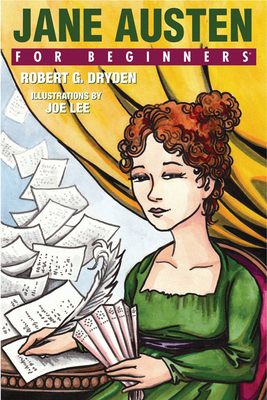
Find a guide. I used the one pictured above: Jane Austen for Beginners. This just came up on Libby; I didn’t do any research to find the best one. This book has chapters about Jane’s life, facts about Georgian Engand, summaries of each book and interesting side notes to add context to the events in her life and in her books.
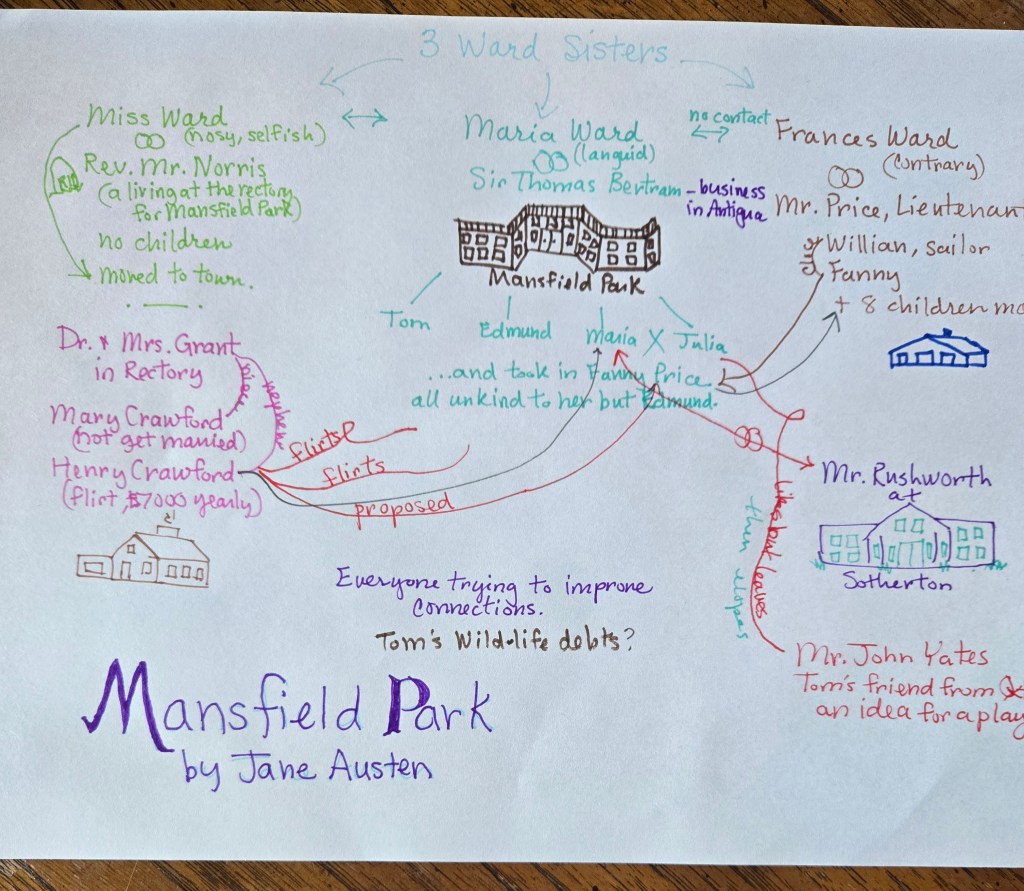
Interact with the text. Take notes in any way that seems easy to you. I made a mind map for Mansfield Park.
A few more thoughts
Some of the reviews I read called Jane Austen the first feminist. Feminist is a person who ‘advocates women’s rights on the basis of equality of sexes.’ My personal definition of feminist is a person who ‘doesn’t need men, dismisses men, or thinks whatever she does is as good as what a man can do.’ Since doing research for this article, I can see arguments for or against this idea. I also know you can view it through a modern lense or a Christian world view and that will effect your conclusions. What do you think? In Emma, an afterward included these lines:
Marriage is the only proper end for women in Jane Austen’s world… but love is far from being the principle business of their lives. In general it is only the weak or foolish characters who are seen primarily as lovers. Those whom we are to admire… are seen involved in a multitude of other activities and duties. Happiness in love is not to be directly aimed at; it is the ultimate reward of discreet, sensible, and sensitive behavior in a number of other spheres. – Graham Hough
Leland Ryken says we should read classics with ‘reverence and suspicion’. A classic is undoubtedly a great work and a superior example of literature. We can be assured that the ideas they present can be false or true, and not all of them are uplifting. Classics are complicated enough to force us to think and evaluate them, which is good mental exercise.
Try one of these books if you want to ease into reading classic books. Jane Austen’s books aren’t very long or complicated. Pride and Prejudice is probably the one that has references in our culture most often. I don’t consider them the best classics, but they are better than a lot of contemporary books, especially if you like to read romance. And always, they’re better than scrolling.
–Liz
 So She Reads