

This lovely, short book is listed in a recent post about great summer books. I would like to tell you more about it. I happened across a description of The Remains of the Day where the reviewer said it was about “an English butler reflecting on his life of service.” As it happens, my word of the year is “serve”, and here was an opportunity to learn something about it through fiction. The local library had a copy. After I read it, I ordered one of my own; I expect to reread it sometime.
Before I read it, I was curious how an author with a Japanese name came to write in English about England and butlers. The reviewer said Ishiguro had captured the exact tone and essence of an Englishman. I learned the author is indeed a Japanese man who has been living in England since he was young, and he can write equally well about England or Japan.
Since reading this book, I have run across others who say it is a favorite book, or one of the top books they have ever read, or one of those books you can read again and again. You might like it, too.
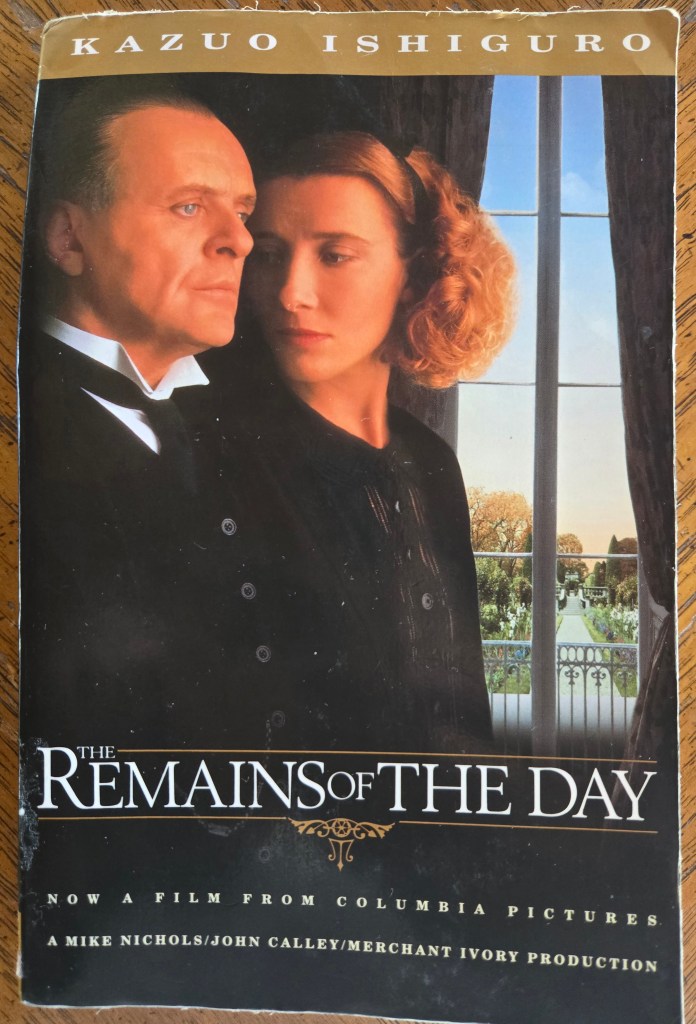
The Remains of the Day by Kazuo Ishiguro, 1989, 245 pages
This is one of those stories where nothing much happens and yet there is much to think about after you close the cover. I’m telling you most of the main points of this book in this review, but that won’t take away your enjoyment of it.
The Remains of the Day is a first person account of Stevens, a professional English butler, who takes a three-day drive through the English countryside. Themes include dignity, professionalism, and human connections. At first, Stevens sees only what he wants to see, but his interactions with the locals prompt reflections of vivid memories he hasn’t visited in many years.
The story opens in July of 1956 at Darlington Hall. Lord Darlington is gone now and Darlington Hall is run by Mr. Farraday, an American, who treats Stevens more casually than his former English employer, going so far as to try to banter with him and to suggest he take a vacation. This idea grows on Stevens, and as an excuse for the vacation, he decides to visit Miss Kenton, a former head housekeeper of Darlington Hall.
The quiet hours in the car, driving through the beautiful English countryside, brings many thoughts to Stevens mind. He recalls conversations with other butlers about what makes a great butler. He rehearses events at Darlington Hall that he defends for a time and eventually allows they were ‘misguided’. He thinks about interactions with other staff in those glory years. As he finds places to eat and spend the night, and has enlightening conversations with country folk, he comes to question some of his long-held beliefs and to see greatness and dignity in a more nuanced light.
Stevens wrestles with many questions that are pertinent today.
Was Stevens responsible for what Lord Darlington did? Stevens’ high, exacting standards and lack of example in his life made it hard for him to balance hard work and humanity. He struggled to admit his own flaws along with the flaws of Lord Darlington.
Should people stay in their own lane (class) or should they aspire to improve themselves? Does it matter what the butler or the commoner thinks? Stevens longs for the good old days when life was more black and white, even as he begins to realize maybe it wasn’t as clear as he thought.
Did Stevens take too much pride in helping Lord Darlington and so sacrifice his own personal values? He values loyalty and professionalism. He didn’t think the modern butlers who go from employer to employer looking for better pay would ever achieve ‘greatness.’
At first, Steves only sees what he wants to see. He fools himself into thinking a great butler would never question what Lord Darlington did. He admits to himself, that Lord Darlington may have been mistaken. His singular focus did make him a ‘great’ butler but at a high cost. He begins to question his own motives.
As he nears Weymouth, Stevens thinks about his most recent letter from Miss Kenton. He thought she seemed disatisfied with her marriage. That she wrote of happy memories at Darlington Hall made him think she might like to return there. They meet for lunch together, as any professionals would. Even when Miss Kenton admits to having once dreamed of a life with him, Stevens does not admit to his feelings.
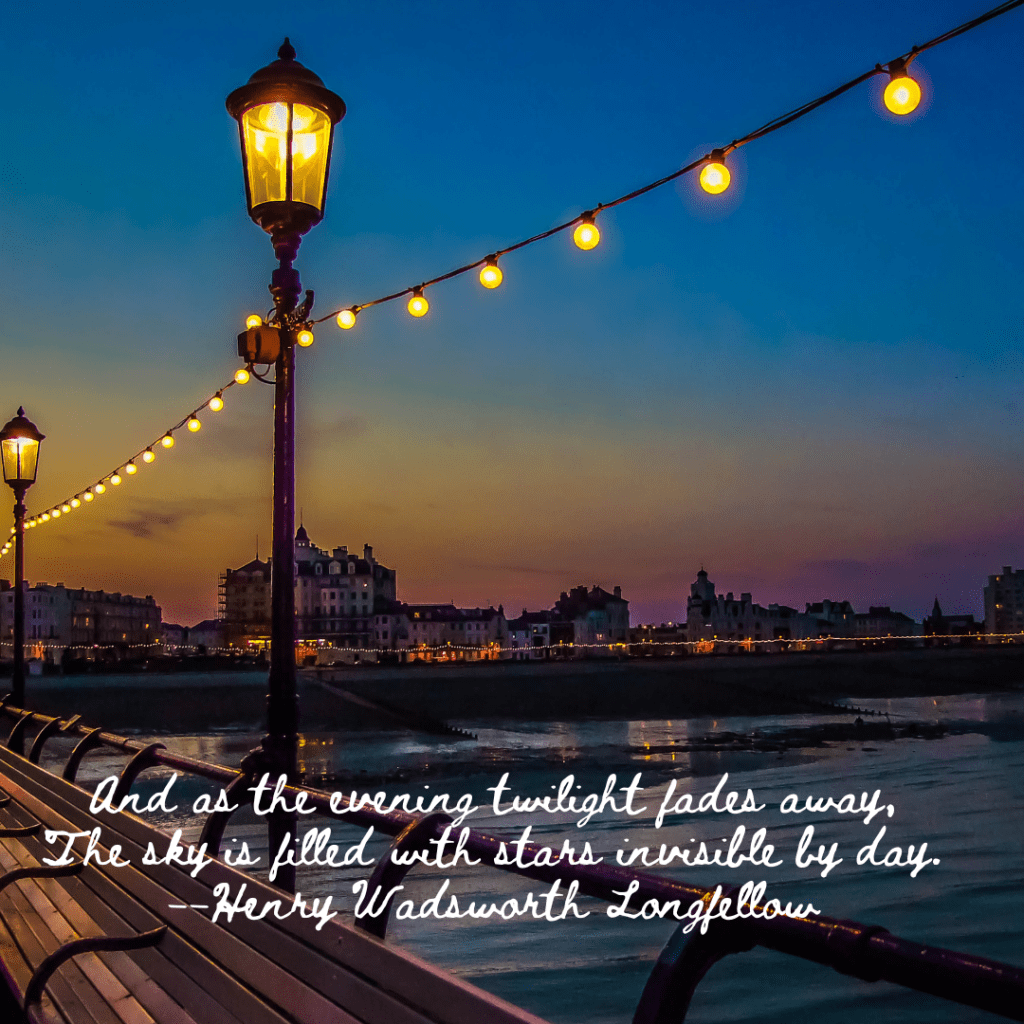
After Miss Kenton is on the bus to go home, Stevens goes down to the pier to see the ‘lights come on at dusk’ as she suggested. Seeing the people gathered for this nightly event and their joy and connection, Stevens realizes that is missing from his life. It seems that others can ‘banter’ and so connect with people, and he feels as though that has passed him by.
A fellow sitting with him on the bench tells him not to be so melancholy. Stevens tries to open up to him, and he’s not used to expressing his feelings. The man assures him ‘the evening’s the best part of the day.’
At the end, you don’t hate Stevens for his mistakes, you simply understand and process his regret alongside him. He gave it his all in the heat of his career and he accepts what that meant for him. But now, Stevens is ready to be real and to live true to his own values, even to learn to banter, in what remains of his day.
The Booker Prize
The Remains of the Day won the Booker Prize in 1989. The Booker Prize is a prestigious literary award presented each year to the best single work of fiction written in English that was published in the United Kingdom or Ireland. The winner of the Booker Prize recieves 50,000 pounds and international publicity that leads to significant sales boost. The panel of five judges changes every year. Judges are selected from among leading literary critics, writers, academics and public figures. Each judge is expected to read all the books submitted. (In 2023, the judges read 163 books over seven months.) Out of the nominations, they select a long list of 12 or 13 titles, (the Booker dozen), and each judge reads the books a second time. After narrowing this list to six, they read these a third time before selecting the winner.
Some find the very idea of a ‘best book’ chosen by a small number of literary insiders controversial. It kind of goes along with the idea of being a ‘great butler’ doesn’t it? One is great to this one, another is great to that one. Author Julian Barnes dismissed the Booker Prize as ‘posh bingo’ , but when he won the award in 2011 he joked the ‘judges were the wisest heads in literary Christendom.’ Until 2020 the winner was announced at a black tie dinner in London’s Guildhall in October. More recently, the ceremony is in the Roundhouse in a casual in-person event.
I hope you read this book! — Liz
More summer reading:
This post has been updated: A Quick Case for Long Books
 So She Reads
One response to “The Remains of the Day”
I really enjoyed this book review, Liz! I might need to borrow your book.