

It was a hardworking weekend with food committee duties and overnight company. Finally, Sunday evening came. My whole body felt a tingle of pleasure to sit down on the couch with a book and spend a quiet evening in our living room. Then my husband spoke from the recliner.
“Shall we invite —’s for the evening?”
I said, “No. I don’t care if I don’t see people all evening and they don’t see me.”
The thing is, I wanted to be alone to read The Inviting Life, a book all about the pleasures of having company.
Jesus saith unto them, Come and dine.
John 21:12
Every time I have company it is a step of faith onto the restless sea of fear. The waves are calmer than they used to be, but that is not to say there won’t be a storm tomorrow. Practicing love feels awkward. Vulnerability is scary. Hospitality is not my natural habitat.
I poured out my thoughts, fears and woes into journals for years. Recently, I wrote an ebook about it and it just didn’t feel authentic. It was too preachy and that’s not the real picture of me and hospitality. I am not your hospitality guru, for sure. I don’t know what I’m doing most of the time. It has taken years for small breakthroughs to get through to me and I still have a long ways to go.
The different points listed here have been way marks on the journey. I’m not sure of the exact order they happened, so this isn’t a chronological journey. I am still learning things in every area.
But I’m an Introvert
I’m an introvert. I love my quiet evenings at home. I have no trouble entertaining myself.
In company, I hear complaints of being so busy. Why should I add to the noise? I’m sure they’d rather just stay home anyway.
These are my instinctive thoughts on the subject. I wore that introversion like an invisibility cloak.
My husband doesn’t get caught up in the ought tos. He just wants to have company and enjoy it once in a while. I had some real hangups around the idea. Are we paying debts? You have me over, I’ll have you over. Are we just checking them off on the congregational list? Is it just to get rid of the feeling of guilt that I haven’t had anyone over for so long? My thinking was (is) so wrong, but I didn’t know how to change myself.
I know the right things to say. I know how it’s supposed to be. It was all head knowledge, though, and not in my heart. I think some of that is okay. Sometimes we practice skills and learn later to appreciate their worth. At least, that is how it happens with me.
And in spite of my selfishness and total misunderstanding of the concept, God blesses me when I obey. It wasn’t that I suddenly started to like having company, but I started to see some deeper meanings in food shared with fellow Christians around the table.
There’s a poem by Shel Silverstein about asking a zebra if he is white with black stripes or black with white stripes. The poem could be interpreted different ways but here’s my thoughts. I’m just like the zebra, a mixture of black and white. I am neat with some messy times, quiet with some talkative times. Was it possible to be introverted with some extroverted times? Why did I have to put myself into a black box or a white box? Maybe my personality didn’t have to be stuck in one place but could move from white to black and back again as the need arose. This thought was scary but also freeing.
People are unpredictable and hospitality is all about people – the ones in my home, myself and the ones invited. We are all in the process of making choices, going through bad times and good times, struggles and joys. When those variables meet around a table, I have no idea what will result; I have to take it how it comes, and trust God to help me be what I need to be in the moment.
What Did Jesus Do?
I read a book called A Meal With Jesus. It pointed out how often Jesus was going to a meal or sitting at the table when He taught his listeners how they should live. Luke has at least ten examples. Next time you are reading in the gospels, pay attention to what happens at meal time.
When food brought them together, Jesus used that time to reveal His character to them, or to show them their own character. He told stories around the table to teach his new way of living. Jesus enjoyed eating so much his enemies accused him of doing it to excess. He called himself the Bread of Life and the Living Water.
As I read the authors inspiration, I saw how I could invite others to our table and learn more about connection, tolerance, patience and forgiveness. When we eat together, we are on the way to becoming friends. Your stories and mine meet and in this way we help each other through life. Hospitality is the way Jesus provides for us to live out his example. We can meet at the table and see what happens.

Pray to Want it
After I got tired of myself complaining in my journal, I started to pray about my lack of hospitality. I thought if I could just see other’s needs, I’d be willing to do something to help. Open my eyes to others needs. Open my heart. Let me see them more clearly. Behold the handmaid of the Lord. I prayed something like this a lot. The prayers calmed and energized me and in this way I sometimes had inspiration.
Well. Prayer changes me, that’s for sure. I still see through a glass darkly, but even if I don’t know others’ exact needs, I’ve come to see how people are generally needy. Even if I invite somebody who doens’t feel a particular need, there’s no harm done and it’s good practice.
I especially like written prayers. With a written prayer you have the opportunity to go back and read it and be amazed how it was answered. Keeping a list of answers to prayer makes my faith blossom. It is so easy to forget how things worked out and how loved we were. I like to remember by writing down prayers and how they are answered.
Sometimes I need to claim his promises. Reminding God in my prayers that He said He’d make a way for us, really does more to remind me. When I claim that promise, those prayers are answered in interesting ways we cannot predict or expect. It’s exciting to claim promises: God, you said you’d never leave me. God, you promised a way to escape. God, if you asked this of me, you also promise to help me through it.
When I am not in the mood or the habit of having company, it’s scary to pray about it. What will God require of me? Will he provide what I need? Yes, he will!
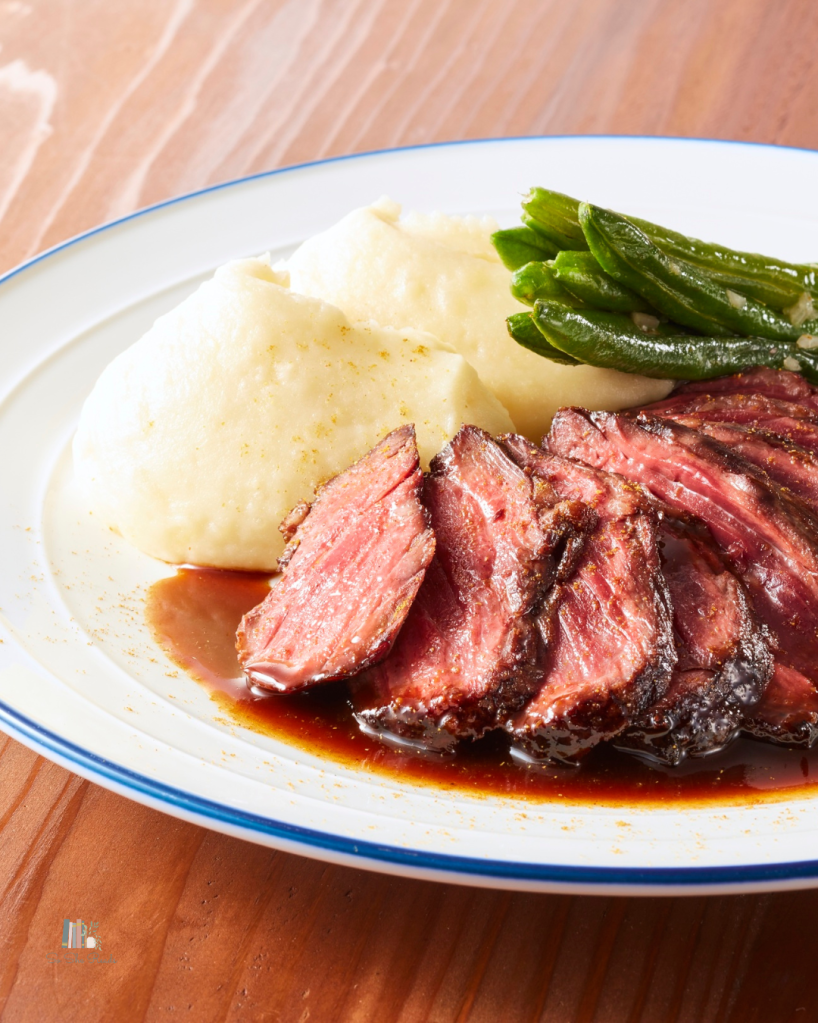
Reasons That Invite Me In
There are any number of reasons not to go the the trouble to have company. I’ve used them all. The house isn’t clean enough. Everyone is so busy. I wasn’t a cook. Maybe the weekend would be better. Or maybe we should wait till Wednesday. This or that project wasn’t done. When was the last time we had a date night, anyway? I have a headache.
I prayed from time to time for the real meaning of hospitality to be revealed to me. I still pray to understand it better.
God invited me to sit at his table. That is something to be thankful for, and a reason to pass on the invitation. Over several months, I came up with these reasons why God might ask me to let my life intersect with others at our supper table. These reasons seemed to be the ones that particularly motivated me to take action.
- to get to know people. Sunday best can cover a lot of hurts and hungers, but life if messy and hard for us all. What better time to hear someone’s story than at the table over a plate of food?
- to let them know me. Hospitality is an invitation for people to know me. After all they are in my home and see my bookshelves, knickknacks, and bathrooms.
- to bring people together. Those I invite to my home will be interacting with each other. I could facilitate their friendship.
- to create good will. World peace can be practiced around my own table. If nothing else, have company to add to the volume of world peace. There is nothing more convivial than a group of people sharing ideas, stories, dreams, fears and fun around the table. I like the idea of being part of something huge!
- to practice my manners. My children must practice theirs. Always a good thing, and helps with world peace, too.
- to keep me accountable to cleaning and repairs. Company coming is incentive to get things done; it’s my very best motivator for these things, whether I like it or not.
- to keep my world from getting small and narrow-minded, to hear stimulating conversation about topics I may never have considered.
- and most of all, to encourage us to be faithful Christians. Time is running out for all of us, slowly but surely. I’ve found being in the company of Christians is encouraging even if the conversation isn’t deep. We need each other.
These ideas opened my mind to other’s inner journeys, their spiritual thirsts, their very real problems in this real world. Actual food lost some of it’s importance, and clean houses too, as I realized the soul hunger needed soul food. That’s what it’s all about. The tired mind needed a break, the weary body needed rest. If I could offer these to others by making a meal, was that so hard?
They broke bread in their homes and ate together with glad and sincere hearts.
Acts 2:48
Entertain the Idea
Even if I feel like I can’t have company, I am trying to make a habit of at least entertaining the idea. When I bake and have extra to put in the freezer, I make a mental note that it’s for next time we have company. The idea of having company can be always percolating on the back burner. In this way, I’m always getting ready without the pressure of a deadline. Then when the question if/when to have company comes up, I feel ahead of the request. Of course this can be, hit and miss, but I need every bit of help I can get!
I get this panic-thrill feeling after inviting guests. Instinctively I want to get it right, to do my best, to create an enjoyable interlude for us all. It’s stress, but it’s a good stress. Here are three definitions of hospitality that cut to the core of what it means and makes it seem attractive.
Hospitality: cheerfully sharing food, shelter or conversation to benefit others.
Hospitable: given to generous and cordial reception of guests; offering a pleasant and sustaining environment.
Synonyms: neighborly, gracious, open-minded, receptive, accommodating, tolerant.
This is my favorite which describes such a pleasant and delightful scene that who wouldn’t be drawn into the circle?
A Hostess is someone who steps forward and takes charge, almost always of things pleasing and good; her aim is to create a world in which everyday life is happier, more civilized, and delightful and where cooking and homemaking are uplifting, meaningful and valued. —Laura Calder in The Inviting Life
We don’t (and shouldn’t) all do hospitality the same. If I can find a way to work with my particular circumstances, time of life and personality, you can too. If I invite this ‘pressure’ into my life, accept it as a pleasant interlude to my week, and remember the pleasant parts, the worst of the panic is diffused.
I have my husband to thank for much of the practice I get. My husband encourages, nudges, and pushes me out of my comfort zone many times, as his personality is quite different from mine. (Surprise!) I try to be organized, keep my house cleaner and keep ‘company’ ingredients on hand. It is helpful, but I wanted more.
I’ve already mentioned some things I learned from books. Since I love to read, I read a lot of books on hospitality during my quiet evenings at home. I enjoyed them so much, I started to be on the lookout for books with a hospitality theme. Reading about it eased my mind for the time being. I was doing something, at least, wasn’t I?
Each book added more ideas to round out my philosophy on hospitality. Hospitality myths were straightened out. This author advocated many Biblical reasons; another said it was our community duty. Some of the authors were extroverted socialites and others were homebodies, but all thought it worth their time to encourage others to have company.
I was entertaining the idea of hospitality. There was no immediate clarity on the subject. I didn’t change overnight. Yet God is gracious and patient. He used those authors to show me new perspectives.
During this time, I recognized two extreme ideas about hospitality had taken root in my mind. It was either about filling dire needs for the starving or homeless, or presenting a perfect version of my life to guests. I didn’t see many starving or homeless in my community and even more rarely at church. I didn’t have a perfect version of my life figured out yet. My eyes had been blind to the many possibilities between those extremes.
The truth is, hospitality is about opening my heart and being vulnerable. It’s often messy and unpredictable. It’s letting people know me how I really am. It is deeper than appearances. There’s more to see than the hostess that has everything in perfect order or the one who needs help getting the meal on. As I accept these ideas, socializing becomes both easier and harder.
It was easier because the outward things didn’t carry so much weight. Harder because, once I saw them, the inner needs are heavy. And this was going way closer to the heart of things than any perfectly decorated room, or gourmet meal was capable of. Those things were actually barriers to knowing what was worth knowing.
I shouldn’t judge my value as a hostess by any individual event. It may be best not to do a lot of reflecting about my performance at all except to learn for next time. There are many variations of value in every dinner hour, and what I call success may not be what the guest sees as helpful.
Living a welcoming life has its ups and downs. There will be the frivolous get-togethers, exhausting times to pour out in service, or times where conviviality energizes and refills my own soul. Being hospitable includes it all.

A Way to Begin
All these words, pleasant as they are, won’t get you or me where we want to go. I have to do something.
“Just be friendly, at least,” I would tell myself. I started by talking to by-sitters at church, smiling to people I met at the grocery store, or waving to people in other vehicles on the road, while in the back of my mind the truths of hospitality were percolating. I had low expectations of success. I still wore my introversion as a protective coat. But as it turned out, short, sweet interactions suited my personality and gave me tiny feelings of success that encouraged me. In this way, the hospitality muscle was strengthened a little.
For awhile, I consciously adopted the word Gracious to be my guiding star. It was a word that kept me going in the right direction. God is gracious in his attention and forgiveness and provisions to me. I wanted my thoughts to be gracious, including the thoughts about myself, my home, and my hospitality skills. I wanted my appearance to be gracious — presentable and mannerly. Most of all, I wanted my words to be gracious and encouraging to everyone. In some instances, the word became an exclamation of surprise or terror, (Gracious!) but it still guides me back to being gentle and kind with others and myself.
Graciousness and grace gets me through the times when I simply cannot perform for good reason. It also helps me when I need to go beyond what feels possible for my strength. Graciousness helps me when I discuss company with my husband and we have misunderstandings. Grace is the power to accept life’s imperfections and still strive to do my best. Any obstacles I face, internal or external, are worth the trouble and effort it takes to overcome them. Sometimes it means accepting defeat and sometimes it is to keep going when I want to give up. To be gracious through it all is my aspiration.
I am always at the beginning. I haven’t found a way to get past square one. It takes humility to accept that that is how it will be.
A year from now, you will wish you had started today.
Karen Lamb
Some Good Results, Spiritual and Temporal
What a gracious God we have and what blessings He wants to give us.
Way back in the Old Testament the great I AM proved He was a different sort of God by commemorating His acts with feast days — celebrations including specific foods and activities. One of these feasts lasted seven days. This was so different from the gods of the Israelites neighbors. Those gods required followers to cut themselves to get attention or cry aloud to be noticed or to make human sacrifice for penance. But Jehovah instituted feasts. These feasts were tangible evidence that He would supply all their needs, they were reminders to tell stories about His great works, and pointed to His promise to send Jesus. And we already know how Jesus used mealtimes to point people in the right direction.
It seems as though He wants us to feast together.
Built into our humanity is an insatiable need for natural food, which could remind us, if we let it, of our need for spiritual food. Our downfall in Eden involved food and Jesus overcame when He refused the bread offered him in the wilderness. We do not live by bread alone, but also by the Bread of Life. Food is important and it represents something even more important.
Food can bring us closer to Him and closer to each other. Sharing hurts and joys is a natural extension of sharing food. We offer comfort through food when words fail us. This fellowship with each other changes us for good. You cannot break bread with another without sharing a bit of this communion. When we get to know them we tend to see others as people like us. As the conversation deepens, so does the relationship. In this way, hospitality is the way to world peace. We actually do solve the world’s problems around the dinner table, as we learn to share a meal peacefully with others and so minister to humanities needs.
On the physical side, anticipating a meal together starts a metabolic process that helps us digest food better. The leisurely meal, cooked with care and shared with others encourages relaxation and digestion. In this way, hospitality can be a part of bringing us back to health.
A meal shared nourishes our minds. We take time to connect with the one across the table. We try to understand and be understood. A conversation with a friend over coffee can be the best therapy. The rituals of mealtime — saying grace, practicing manners, thinking before we speak, the pacing of an appetizer, main course and dessert, thanking the cook— all are soothing to the human spirit. In this state, we are open to helpful thoughts and solutions, whether by human or spiritual means. Eating together addresses all of these issues.
A place at the table ensures you are part of the group. Shared meals could make our lives longer, since loneliness is said to shorten lives. Even if it doesn’t add years, it provides a chance to be vulnerable and find help and hope.
Could hospitality be a solution to persistent busyness? I’ve said I was too busy to have company. But what if we turn this idea around on it’s head? Hospitality is slow by its very nature. Time slows when we cook slow food. The meal shared is slower paced with conversation and relaxation afterward. We eat slower and tend to savor the food. We linger over coffee and dessert. Laughter lightens our mood and improves digestion. A meal shared becomes recreation. This is not amusement or entertainment, but in reality recreating our spirit. We don’t want to lose the ability to slow down and enjoy a good meal. God gave us a variety of flavors to explore and the regular reminder of hunger for a reason. It is an invitation to slow down and remember Him and to share the blessing with others. Other slow things may give way to progress, but our hunger brings us back to the table and it won’t be going away anytime soon. The rhythms of hunger, cooking, eating and sharing conversation encourage slowing down. It is what we all want!
There are many layers of hidden meaning around a table laden with food. It lures us back to things that matter. We are reminded of the eternal significance of our lives as we thank God together. Suppertime calls us home and we are reminded of mothers, and family and friendships. Shared food reveals to us the state of our relationships in how we relate to each other. It signifies communion and reminds us of a day we will feast with Jesus in heaven. My time in the kitchen creating a meal to share with others can have eternal consequences.

Hospitality as a Keystone Habit
Hospitality opens the door to other kinds of serving. It’s a keystone habit, one of those things that has a ripple effect and promotes good in all areas of life.
There is the service of guarding our tongue. In company, we tend to think a bit before we speak. That’s a good thing.
It gives us an opportunity to allow others to help us. Maybe those I invited will serve me in some way. I can let them bring something or help with dishes.
When we invite people into our home we get to practice common coourtesy. The rituals of relationship are not hypocrisy. They are respect and care. These litte courtesies acknowledge others in our presence and affirm their worth.
We get to listen. Or to practice listening. This takes compassion and patience, both things in short supply.
We can share encouraging words from the Bible or our own lives when we sit together in the living room with guests. This isn’t always easy but it’s always good to try.
And finally we have an opportunity to share each others burden. Another door is opened as we learn of ways we can pray for each other.
All this from an invitation and a meal. Pretty good return on investment, isn’t it?
Be present at our table, Lord
Be here and everywhere adored
These mercies bless and grant that we
May feast in paradise with thee.
-John Cennick (Methodist Hymn Writer, 1718-1755)
My Wish For You and Me
These thoughts above have developed slowly over years of time. I anticipate other ideas and perspectives to come to my aid as time goes on. This last summer I’ve had very little company and I keep thinking that surely disqualifies me from making any claims about hosptiality in this article. Yet it is something on my mind for years and here it is.
I wish for us a way to work around our personalities and find the belssing in hospitality in our own way. I want us all follow Jesus’ example and clain his promises. We can find reasons that incline us to translate these noble ideas into real action. And the benefits will mulitply and ripple out into everwidening circles.
Begin today.
–Liz
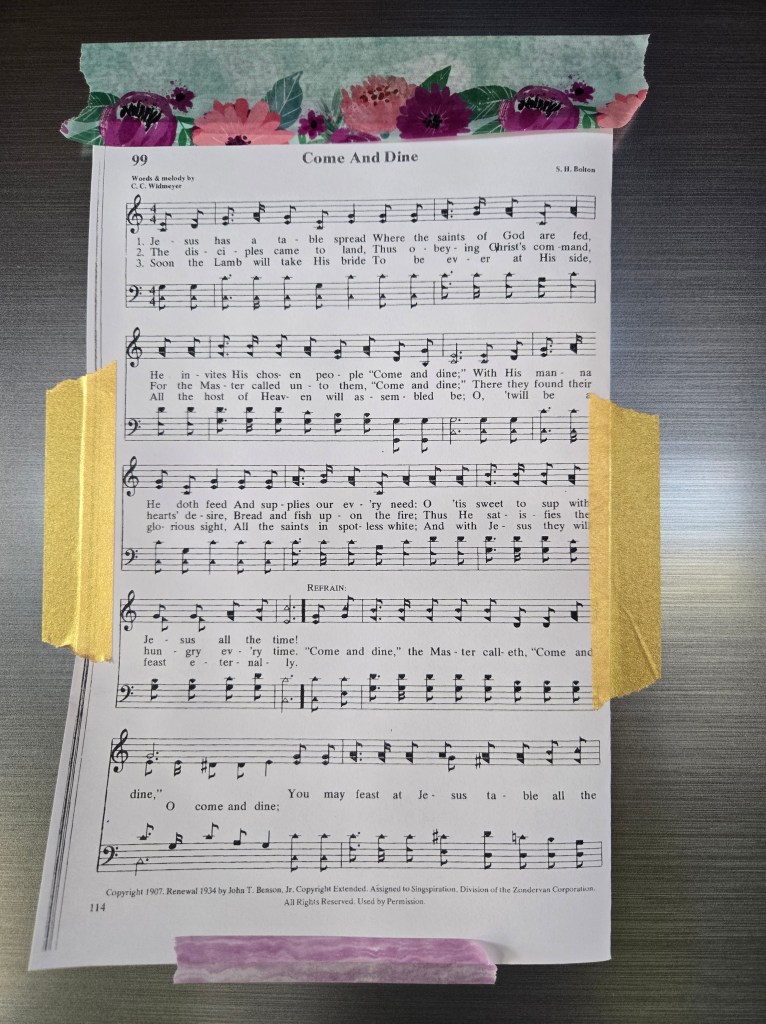
For more inspiration:
 So She Reads
5 responses to “Finding the Key to Hospitality, Part 1”
Thank you. This is just what I need. And I need to read this article over and over.
Starla
Sent from my iPhone
excellent article! Hospitality used to scare me terribly and I’m slowly learning, too, how to get past that and just have people over simply because we love them… and need to be with someone … and actually enjoy it so so so much more than I used to. A bigger house has sure made it easier, too. But don’t use a small house as an excuse!😅…we had so many fun times in our cozy, little house, too….❤️ was it aunt Eva or aunt Liz who wrote this? I think I know but not sure and couldn’t find who….😅
Hi Jessica, i’ts me, Aunt Liz. And it’s not about the house.❤️
This article inspired me. Thankyou for the teaching on hospitality. There is something for all of us to do! You will always leave richer than you came.
I love it 😍 thanks!